EXPLORE OUR SERVICES

SOCIAL MEDIA MARKETING
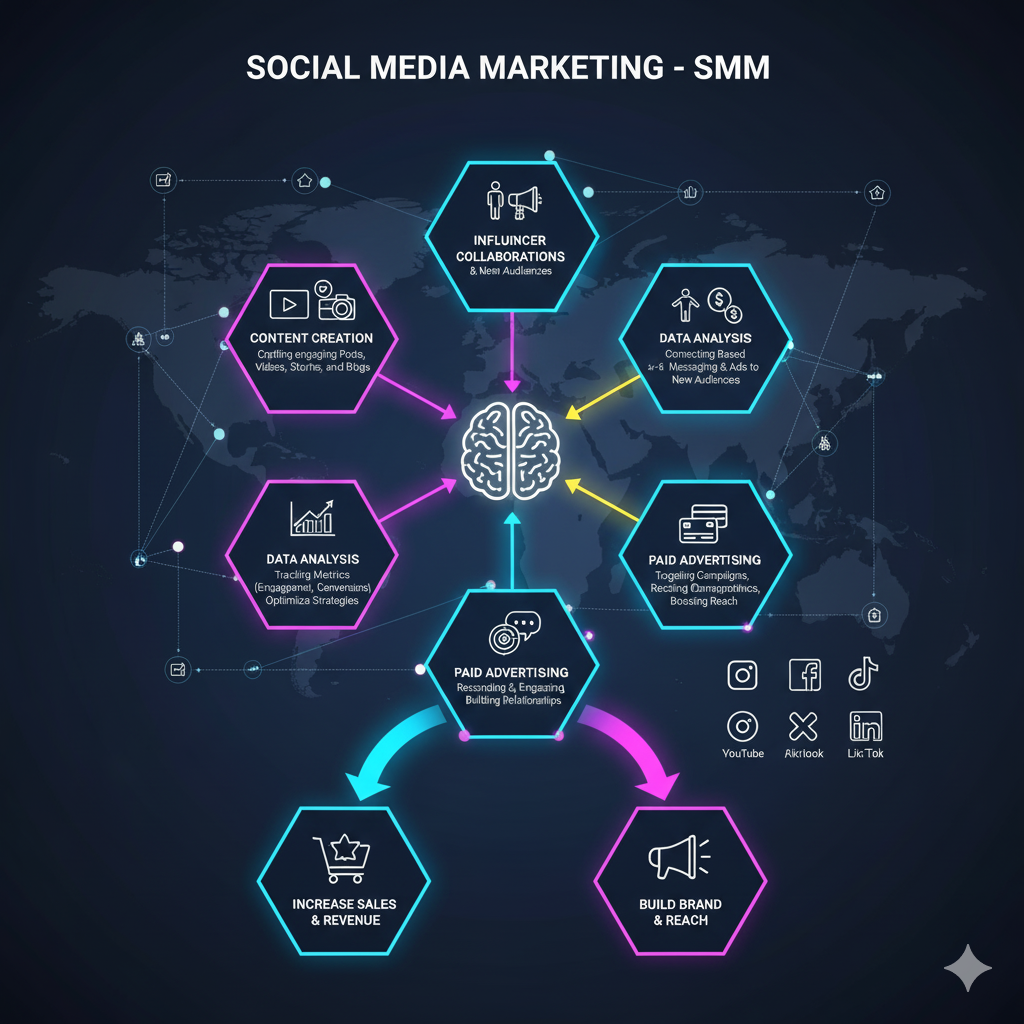
Social Media Marketing (SMM) is the strategic process of using social media platforms—like Facebook, Instagram, Twitter, LinkedIn, and TikTok—to connect with your audience, build your brand, drive website traffic, and ultimately increase sales and revenue. SMM goes beyond simply posting content; it involves a holistic approach that includes content creation (crafting engaging posts, videos, and stories), community management (responding to comments and messages to build relationships), paid advertising (running targeted campaigns to reach specific demographics), data analysis (tracking metrics like engagement rate, reach, and conversions to optimize future strategies), and influencer collaborations. The core goal is to generate organic conversations and viral reach while using precise targeting tools to place your brand directly in front of the consumers most likely to be interested in your product, making it an essential component of modern digital marketing.
SOCIAL NETWORKING SITES CONNECTION
These platforms focus on connecting individuals with friends, family, and colleagues. They are built around personal profiles, news feeds, and communication tools. The main goal is to maintain personal and professional relationships. Examples: Facebook, LinkedIn (Professional Networking), Twitter/X (Microblogging/News).
Media Sharing Networks
These platforms prioritize the sharing of visual and auditory content such as photos and videos. Their primary function is to host and distribute rich media that is often consumed and reacted to quickly. Examples: Instagram (Photos/Short Videos), YouTube (Long-Form Videos), TikTok (Short-Form Videos), Pinterest (Image/Idea Curation).
Discussion Forums & Community Platforms (Conversation)
These platforms are designed for in-depth conversations, Q&A, and community building around specific interests, hobbies, or topics. The content is user-generated and revolves around shared knowledge and opinions. Examples: Reddit (Niche communities/subreddits), Quora (Q&A), Discord (Real-time group chat/servers).
EMAIL MARKETING
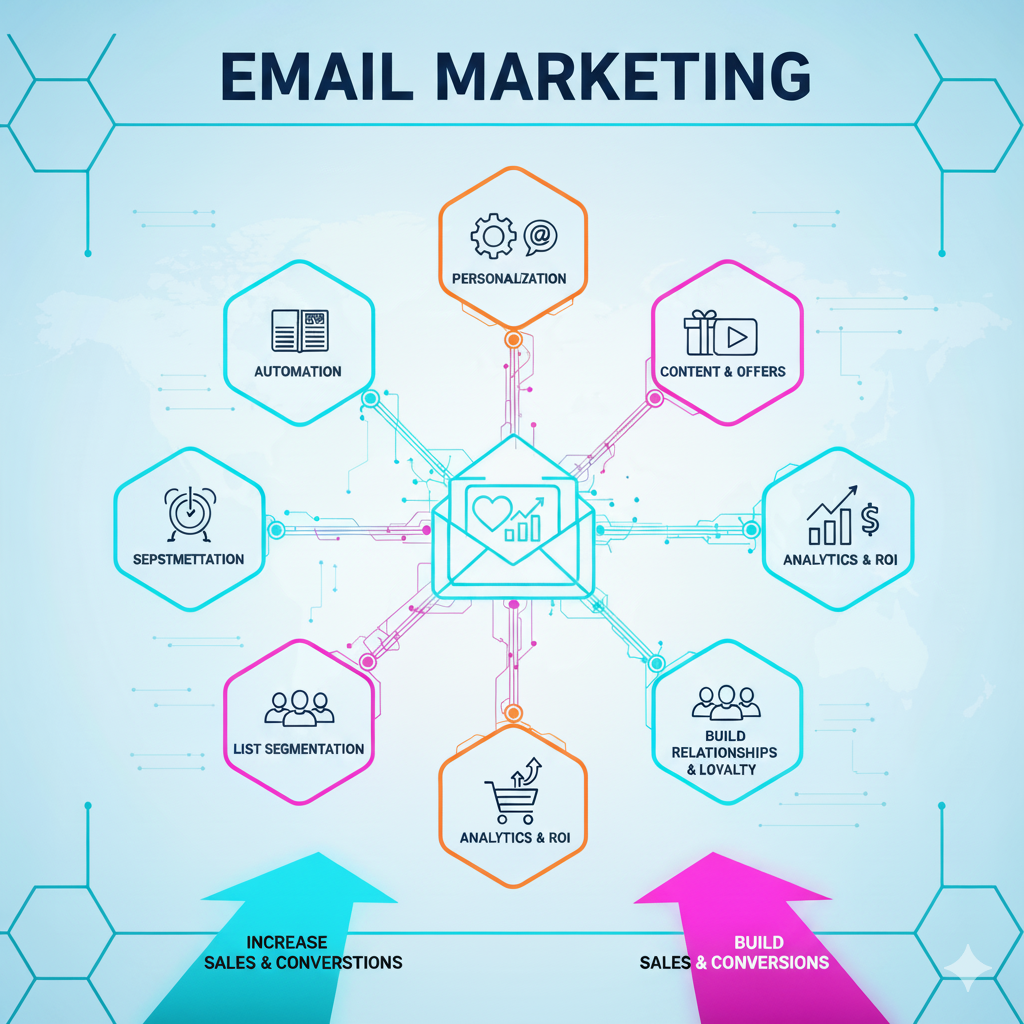
Email Marketing is one of the most powerful and reliable forms of digital communication, defined as the strategic process of sending commercial messages to a group of people who have explicitly given permission (opted in) to receive them. Its core goal is not just direct selling, but rather to nurture relationships, build customer loyalty, and drive conversions by delivering highly personalized and relevant content directly to a subscriber’s inbox. Modern email campaigns rely heavily on list segmentation, which means grouping subscribers based on behavior, purchase history, or demographics, ensuring the right message reaches the right person at the right time. Advanced tactics include marketing automation, where sequences of emails (like welcome series, birthday discounts, or abandoned cart reminders) are triggered automatically based on user actions. Because it is a direct channel that bypasses social media algorithms, email marketing consistently offers one of the highest Returns on Investment (ROI) in the marketing landscape, making it indispensable for both lead generation and customer retention.
PROMOTIONAL EMAILS
emails are laser-focused on driving immediate sales and actively promoting a specific offer or product. Goal: To achieve an immediate conversion, such as a purchase, a sign-up for a webinar, or a registration for an event. Examples: Flash sale announcements, new product launches, limited-time discounts, and holiday sales. Strategy: Create Clear Urgency: Use urgent language in the subject line and body (e.g., “Ends Tonight,” “24 Hours Left”) to motivate immediate action.
TRANSACTIONS EMAILS
These are automated emails triggered by a specific customer action (or transaction) and are primarily informational rather than sales-driven. Goal: To build trust, confirm information, and ensure a smooth customer experience following an action. Examples: Order confirmations, password reset links, shipping updates, invoice receipts, and welcome emails after account creation.
LEAD NURTURING EMAILS
This involves sending a strategic sequence of emails to a new subscriber or prospect to continuously provide value and education, guiding them toward a purchase decision over time. Goal: To establish credibility and trust, educate the prospect on the brand’s value, and slowly move them down the sales funnel. Examples: Welcome Series (a sequence of 3-5 emails after initial sign-up), educational content explaining product benefits, or follow-up campaigns after a content download (like an eBook).

SEARCH ENGINE OPTIMIZATION
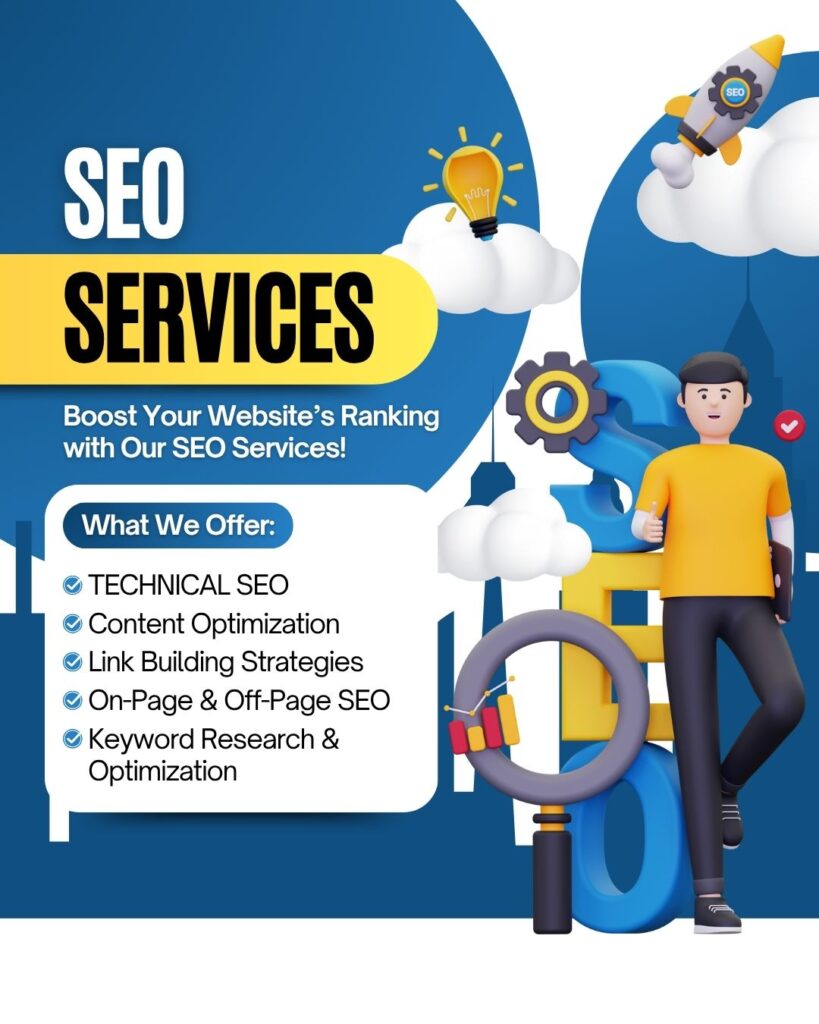
Search Engine Optimization, or SEO, is the crucial and multifaceted process of improving a website’s visibility and quality of organic (unpaid) traffic from search engines like Google. It works by making a website’s content and technical structure align with the complex algorithms search engines use to rank pages, ultimately aiming for a higher position on the Search Engine Results Pages (SERPs). The strategy is generally broken down into three core pillars: On-Page SEO, which involves optimizing elements directly on the page, such as strategic keyword integration in content, titles, meta descriptions, and headers; Off-Page SEO, which focuses on building the website’s authority through external signals, primarily high-quality backlinks from reputable sources; and Technical SEO, which ensures the website’s backend infrastructure is crawlable, fast, and mobile-friendly. By continually optimizing these components and focusing on delivering genuine value that satisfies user search intent, a website can build authority and achieve sustained high rankings, making it discoverable to its target audience.
ON- PAGE SEO
the optimization efforts you apply directly to the content and HTML source code of an individual web page. The goal is to signal to search engines what the page is about and how it satisfies a user’s intent. [1] Keyword Optimization: [2] Content Quality [3] Image Optimization [4] Title Tags and Meta Descriptions
OFF- PAGE SEO
This encompasses all the activities that happen outside of your actual website to build its authority, credibility, and reputation. Search engines view these external signals as “votes of confidence” for your content. Unlike On-Page SEO, which deals with the content and structure you directly control. Key strategies of off-page SEO include link building, guest posting, influencer outreach, social media marketing, forum participation, online reviews, and content sharing across various platforms. . [1] Backlink Building [2] Brand Mentions [3[ Social Media Marketing & PR
TECHNICAL SEO
Technical SEO: This focuses on the backend structure and infrastructure of your website to ensure search engine crawlers can efficiently access, crawl, interpret, and index your pages. Important aspects of technical SEO include website speed optimization, mobile-friendliness, secure browsing (HTTPS), XML sitemaps, structured data, URL structure, canonical tags, and fixing crawl errors. By improving technical SEO, businesses can enhance user experience, increase visibility in search results, and achieve higher organic traffic.

PERSONAL BRANDING
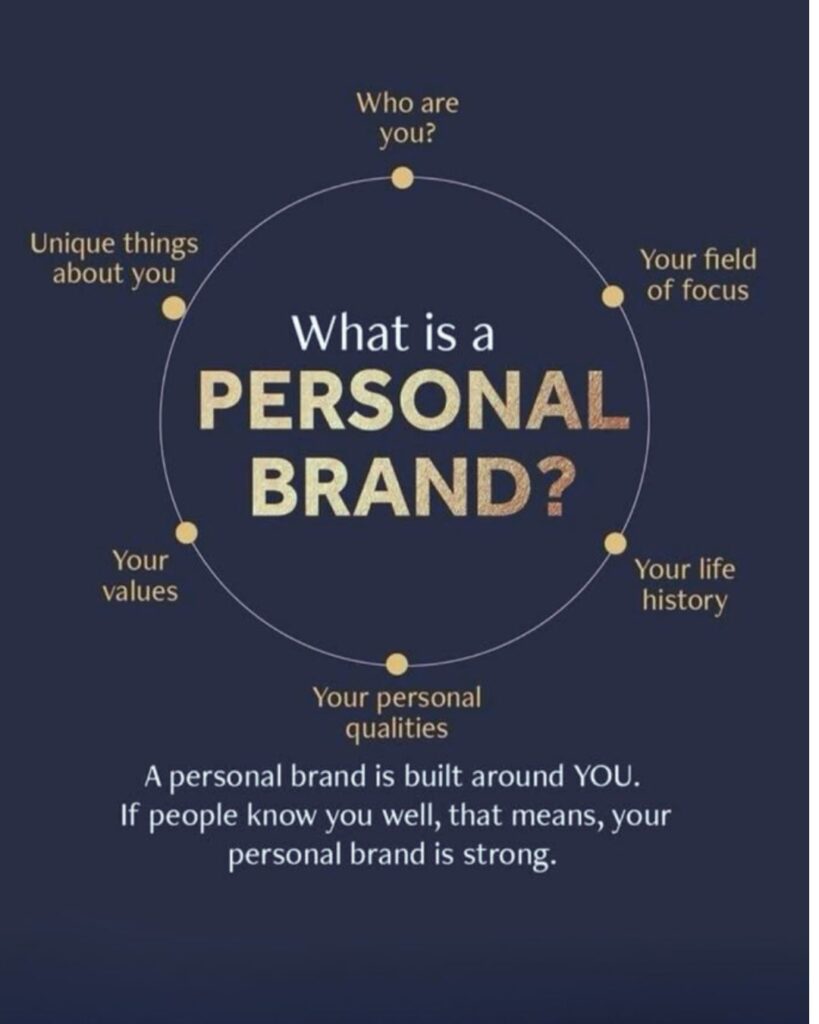
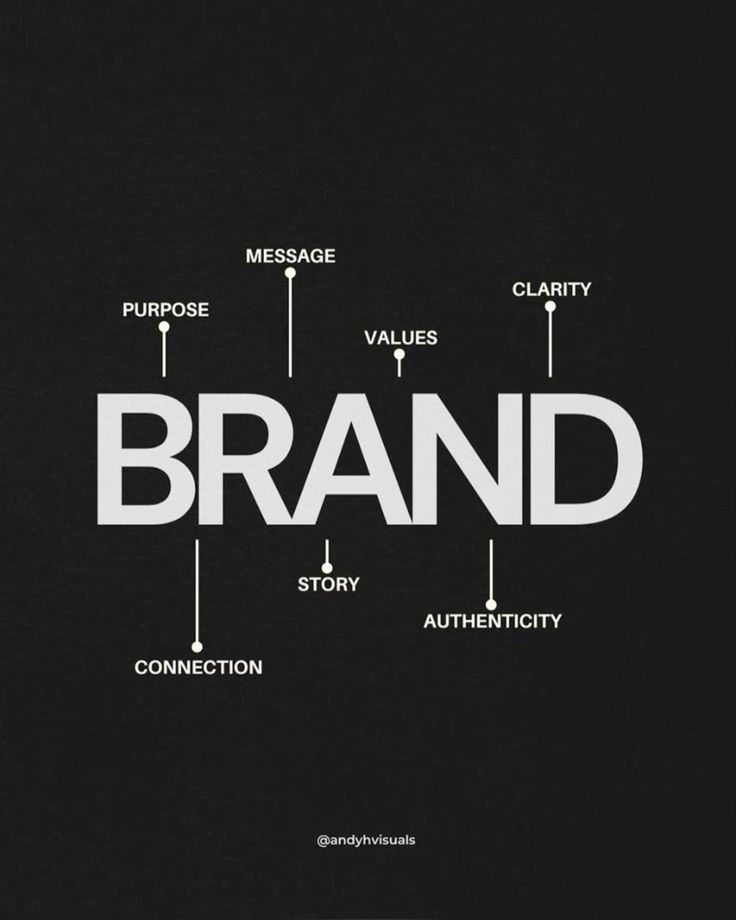
Personal branding is the process of creating and managing your unique professional identity that represents who you are, what you stand for, and what value you bring to others. It involves showcasing your skills, experiences, personality, and values to build trust and recognition in your industry. A strong personal brand helps differentiate you from competitors and positions you as an expert or thought leader in your field. It’s built through consistent actions, clear communication, and authenticity—both online and offline. In the digital era, personal branding often includes maintaining a professional online presence through social media, websites, and content creation. By developing a strong personal brand, individuals can attract better career opportunities, grow their network, and establish a lasting reputation that reflects their true strengths and goals.
PROFESSIONALS
This type is focused on individuals who want to grow their careers or become recognized experts in their industry — such as marketers, designers, engineers, or consultants. It highlights your professional skills, achievements, and credibility. For example, sharing your work on LinkedIn or publishing thought-leadership content builds this brand.
ENTREPRENEURS
Entrepreneurs use personal branding to promote both themselves and their business. It’s about showing your vision, leadership, and story behind the brand. This helps customers connect with the person behind the company, creating trust and loyalty. Think of Elon Musk or Richard Branson — their personal brands strengthen their companies.
CREATORS & INFLUENCERS
This type focuses on creativity, lifestyle, and audience connection. Influencers, YouTubers, and content creators build their personal brands by expressing personality, values, and unique content style. The goal is to attract and engage followers who relate to their message